Discovering dementia support:Important things to Learn
Appreciating the demands of dementia care is essential for both sufferers and caregivers. Catching the first symptoms, such as decline in memory and trouble with communication, can allow for timely intervention. Numerous kinds of dementia, including Alzheimer's and vascular dementia, deliver novel difficulties. A compassionate setting and well-planned care interventions can markedly enhance personal wellbeing. Nevertheless, emotional challenges and statutory requirements muddy the caregiving journey. What ways can provide widespread support while navigating these complexities?
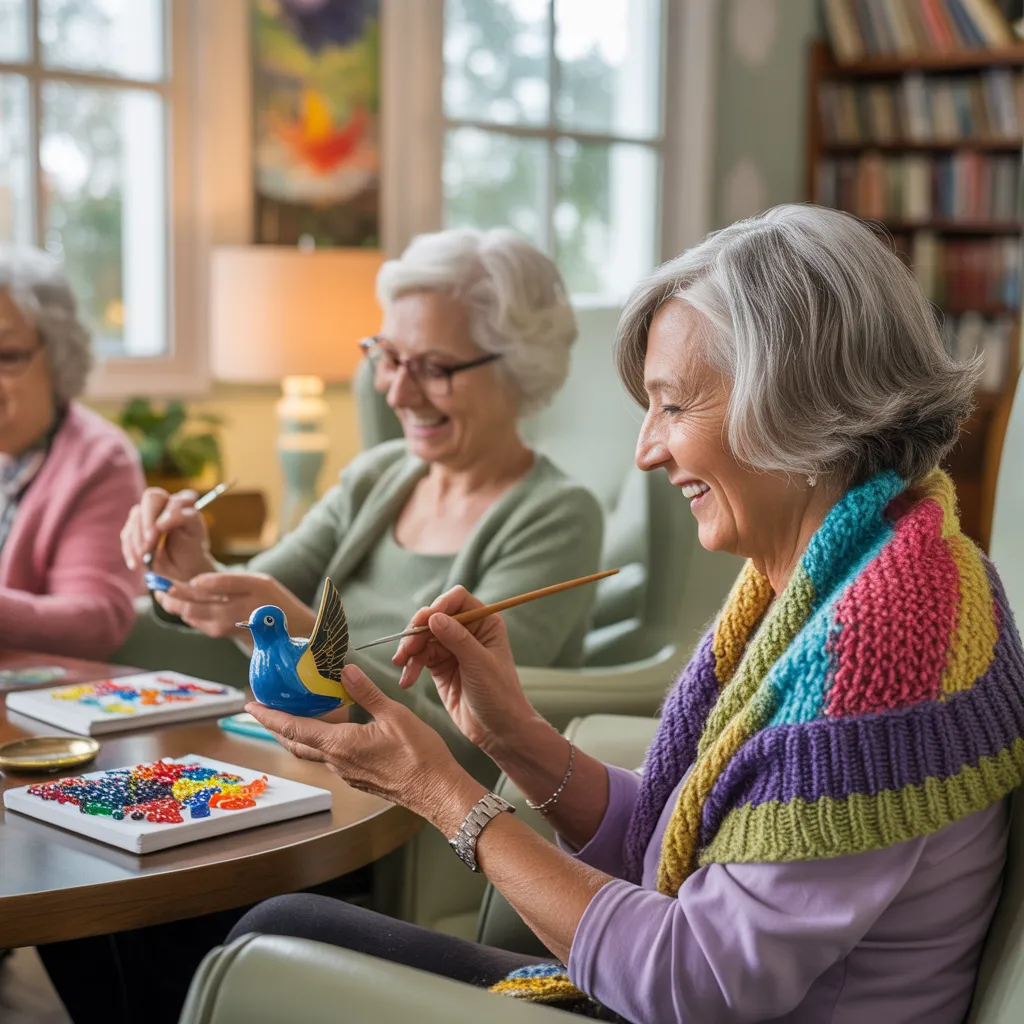
Detecting the Early Red Flags of Dementia
How does one spot the early signs of dementia? Recognizing the early signs is vital for early intervention. Frequent signs encompass memory loss, especially missing recent events or conversations. People may also face difficulty in planning or organizing tasks, causing confusion in daily activities. Shifts in language skills, like having difficulty to find the correct copyright or follow conversations, often appear.
Additionally, a person might show alterations in mood or behavior, ranging from increased agitation to isolation from social interactions. Difficulty in identifying familiar places or faces can also emerge. These signs may be subtle at first, but their progression can markedly impact daily living. Awareness of these early symptoms allows for appropriate discussions with healthcare providers, facilitating early evaluations and potential support options. Understanding these signs is crucial for both the individual and their loved ones in navigating the complexities of dementia care.
What Are the Different Variations of Dementia?
Knowing the first signs of dementia is merely the first step of navigating the intricacies of the condition. Dementia is an broad term that includes different types, each with distinct traits and root causes. Alzheimer’s disease is the most widespread form, noted for the gradual loss of memory and cognitive abilities. Vascular dementia follows, often resulting from strokes, causing impaired judgment and reasoning. Lewy body dementia exhibits attention fluctuations, visual hallucinations, and motor symptoms resembling Parkinson’s disease. Frontotemporal dementia affects younger individuals, causing changes in personality and behavior because of brain degeneration in the frontal and temporal lobes. Other types consist of mixed dementia, which merges characteristics of multiple forms, and normal pressure hydrocephalus, marked by fluid buildup in the brain. Knowing these types is vital for proper diagnosis and care approaches, ultimately enhancing the quality of life for people experiencing dementia.
Building a Nurturing Atmosphere for Dementia Support
Building a supportive environment for people with dementia involves careful evaluation of their residential areas and cognitive requirements. Protected living spaces diminish dangers and strengthen independence, while memory reinforcement approaches can support in interaction and recall. In combination, these features nurture a perception of security and well-being for those affected by dementia.
Secure Living Spaces
A thoughtfully planned living space can significantly improve the quality of life for individuals with dementia. Creating safe living spaces involves minimizing hazards and promoting independence. Unnecessary items should be eliminated to avoid disorientation and accidents, while unobstructed routes facilitate mobility. Lighting is essential; brightly lit spaces help people move through their surroundings more effortlessly and lower stress levels. Incorporating familiar items can provide comfort and a feeling of connection. Additionally, using distinct color combinations for wall and floor surfaces can aid in environmental awareness. Protected external spaces allow for safe exploration, promoting physical activity. In summary, thoughtful design elements contribute to a nurturing space that fosters independence and improves everyday life for those with dementia.
Memory Strengthening Techniques
Memory strengthening techniques play an crucial role in assisting individuals with dementia by enhancing recall and promoting a sense of security. These strategies include the use of cognitive supports, such as visual prompts, labels, and photographs, which can help individuals navigate their surroundings and activate memories. Regularity in routines and known environments further supports cognitive function. Engaging in memory-sharing activities, where individuals discuss past experiences, also promotes mental stimulation and emotional connection. Additionally, encouraging social interactions can boost memory recall and decrease feelings of isolation. These techniques not only aid memory but also contribute to overall well-being, helping individuals with dementia maintain a sense of identity and connection to their past. Creating a caring environment is vital for effective dementia care.
Top Approaches for Giving Quality Dementia Support
Effective care for dementia relies on the implementation of individualized methods and communication techniques adjusted to individual needs. By emphasizing the preferences and experiences of those with dementia, care providers can create a more supportive environment. Furthermore, employing clear and compassionate communication can greatly enhance engagement and comprehension.
Person-Centered Care Strategies
Applying person-centered care methods significantly improves the well-being for patients living with dementia. This method prioritizes the unique desires, requirements, and values of each individual, assuring that care is tailored specifically to them. By maintaining a supportive and respectful setting, caregivers can support autonomy and engagement, allowing individuals to hold onto a distinct identity. Activities should be aligned with the person's past interests and routines, promoting meaningful interactions and reducing anxiety. Collaborative decision-making further empowers people and their families, reinforcing their involvement in the caregiving journey. Training caregivers in these methods is important, as it equips them with the skills to respond with understanding and successfully to the changing needs of those with dementia.
Efficient Communication Methods
Clear and compassionate dialogue is crucial in dementia care, as it greatly impacts the well-being of people dealing with the condition. Effective methods consist of employing simple language, maintaining eye contact, and speaking at a gradual speed to enhance understanding. Body language, such as gestures and facial expressions, can also support verbal communication, providing additional information. It's vital to confirm feelings and experiences, even if they are based on false beliefs, to foster confidence and decrease anxiety. Listening actively and giving ample space for responses promotes engagement. Furthermore, minimizing interruptions in the surroundings can further boost focus. In summary, using such strategies promotes a supportive atmosphere, enabling people living with dementia to be respected and comprehended, consequently enhancing one's quality of life.
Managing Psychological Obstacles in Dementia Support
Even though care providers often tackle dementia care with compassion and dedication, they regularly face significant emotional challenges that can affect both their well-being and the level of service rendered. Feelings of frustration, sadness, and isolation are widespread as caregivers navigate the complexities of the disease. The emotional strain can result in burnout, diminishing their ability to offer steady care.
To overcome these obstacles, caregivers can benefit from building coping mechanisms, such as setting daily plans and setting realistic goals. Engaging in personal well-being activities—like exercise, hobbies, or mindful practices—can help maintain emotional stability. Additionally, building open communication with family members and friends allows caregivers to share their burdens, diminishing loneliness. Recognizing the importance of asking for help when needed is key; caregivers must value their emotional health to sustain their caregiving roles efficiently. By addressing these emotional challenges, caregivers can enhance both their well-being and the care they give to those with dementia.
Tools and Support for Care specialists
Navigating the challenges of dementia care can be overwhelming, but abundant resources and support systems are available to assist caregivers. National organizations, such as the Alzheimer's Association, present educational materials, helplines, and regional groups that foster connection among caregivers. Online web communities and content platforms additionally offer a medium for trading experiences and advice, helping caregivers feel less isolated.
Furthermore, respite care services allow caregivers temporary relief, enabling them to restore their energy and maintain their mental health. Local community centers often organize educational programs and seminars to equip caregivers with essential skills for managing daily challenges. Furthermore, many medical professionals can suggest specialized counseling services designed to address the emotional toll of caregiving. By utilizing these support systems, caregivers can enhance their understanding, build supportive networks, and ultimately improve the standard of support they deliver, guaranteeing both their needs and those of their loved ones are met.
Planning for the Future: Juridical and Monetary Tips
When support providers tackle the complexities of caring for family members with dementia, future considerations emerges as a key component. Legal and financial steps can considerably reduce stress and ensure that the needs of people with dementia are satisfied. Care providers may consider establishing attorney powers of attorney for finances and healthcare, permitting reliable individuals to take action when called for. Moreover, preparing a living will can clarify preferences about treatment decisions.
It is critical to assess present financial assets and prepare for potential extended care costs. This may involve working with financial planners who specialize in senior care to investigate insurance options or government benefits. Furthermore, organizing important documents, such as wills and medical records, can streamline procedures during emergencies. By addressing these legal and financial aspects in advance, caregivers can protect their loved ones' health and offer a more definitive path forward amidst the challenges of dementia.
Frequently Requested Questions
What Are Ways to Improve Dialogue With Someone Who Has Dementia?
To improve communication with someone who has dementia, one should use straightforward, easy-to-understand copyright, keep eye contact, be calm and unhurried, listen actively, and acknowledge their emotions, creating a caring setting that encourages understanding and connection.
What Are the Common Misconceptions About Dementia?
Frequent misconceptions about dementia include the convictions that it only affects memory, is inescapable with aging, and cannot be addressed. Additionally, many underestimate the emotional impact on individuals and families, often viewing dementia as a purely medical condition.
What Effect Does Dementia Have on Interactions With Family and Associates?
Dementia can damage relationships with family and friends, often bringing about misunderstandings, emotional distance, and altered dynamics. Care workers may feel overwhelmed, while loved ones might have trouble relating as communication and recognition decline considerably.
What Can I Do in Case of a Alzheimer's Crisis?
When facing a dementia crisis, it is vital to remain composed, secure safety, and evaluate the situation. Contact medical experts for advice, provide comfort, and establish a supportive environment to help ease distress for the valuable resource person.
How Should I Focus On Personal Wellness as a Caregiver?
Caregivers ought to highlight personal health by setting limits, securing support from peers or group support, participating in regular physical activity, sustaining proper diet, and ensuring space for hobbies and relaxation to rejuvenate mentally and physically.